In short
- The heat pump and the gas furnace take turns: either one runs, never both at once.
- The installer sets the handover temperature from the heat pump's capacity and the price of electricity against gas.
- One Ottawa firm lists a matched furnace and cold-climate heat pump package at $9,000–$14,000+ before HST.
- Home Renovation Savings pays a gas-heated Enbridge customer up to $2,000 for the heat pump, with pre-approval first.
Typical prices in Ottawa
| Job | Typical range | Notes |
|---|---|---|
| Matched furnace and cold-climate heat pump, installed | $9,000–$14,000+ | One Ottawa firm’s published list for fall 2026, before HST |
| Air source heat pump added, installed | $6,000–$12,000 | Canada-wide guide |
| Backup heat for a heat pump (dual-fuel or electric) | $1,500–$4,000 | Canada-wide guide, colder regions |
| Duct changes for the new airflow | $1,000–$5,000 | Canada-wide guide; only when the ducts need it |
| High-efficiency gas furnace (96–98% AFUE), installed | $5,000–$7,500 | Another Ottawa firm’s published list, February 2026; for a furnace replaced at the same time |
| Smart thermostat installation | $150–$400 | Same firm’s list of add-ons to a furnace install |
Sources. AirZone Heating & Cooling, Ottawa furnace buying guide, dated 21.09.2026, seen 29.10.2026 (one firm’s list). Gas Man Ottawa, Furnace installation cost Ottawa 2026, published 23.02.2026, seen 29.10.2026 (one firm’s list). HomeStars, Heat Pump Installation Cost, Canada-wide, seen 29.10.2026. How hybrids work: Natural Resources Canada, Heating and cooling with a heat pump, modified 24.12.2025, seen 29.10.2026; NRCan, Hybrid home heating systems, modified 20.04.2026, seen 29.10.2026. Rebates: Home Renovation Savings, Heat pumps, seen 29.10.2026; Prime Minister of Canada, news release 8 October 2026, seen 29.10.2026. Rules: ESA, What you need to know about electrical inspections, TSSA, Be fuels wise, Ontario, Guide for home renovation and roofing businesses, City of Ottawa, Projects not requiring building permits, all seen 29.10.2026. Climate: Wikipedia, Ottawa, 1991–2020 normals, seen 29.10.2026.
How a hybrid system shares the winter
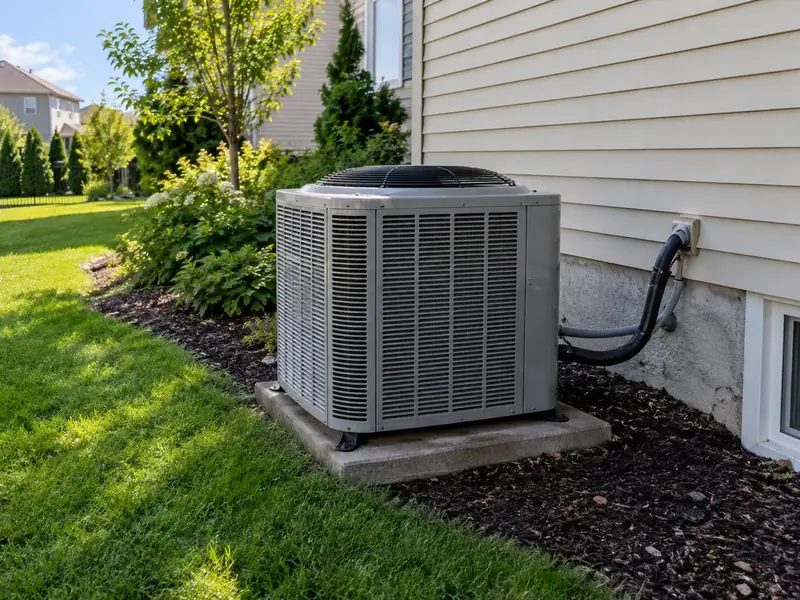
A hybrid, or dual-fuel, system pairs an air source heat pump with a gas furnace. The outdoor unit takes the place of a central air condenser, and its indoor coil sits in the ductwork next to the furnace. The heat pump heats in spring, fall and milder winter days, cools in summer, and hands the house to the furnace in deep cold.
Natural Resources Canada names three outdoor temperatures an installer can use to stop the heat pump:
- Thermal balance point. Below it, the heat pump lacks the capacity to heat the house alone.
- Economic balance point. Below it, the furnace is cheaper to run at current electricity and gas prices.
- Cut-off temperature. The lowest temperature the heat pump runs at.
Ottawa winters and the handover point
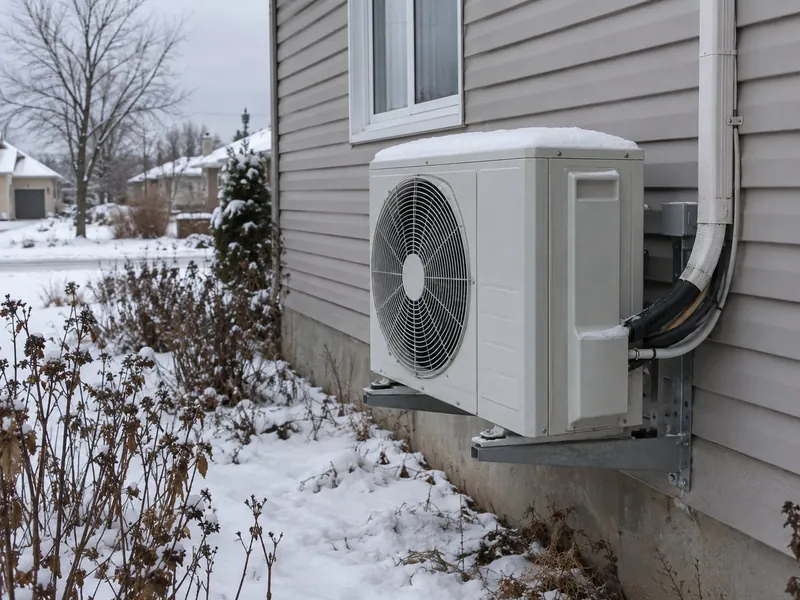
Ottawa’s January averages -10.0°C on the 1991–2020 normals, with about 16 nights a year below -20°C. Home Renovation Savings describes cold-climate air source units as designed to work down to -30°C, so in Ottawa the switchover is mostly a cost and comfort choice.
NRCan’s CanmetENERGY lab tested hybrids with smart switching controls in three homes east of Ottawa. The controls weighed energy prices, time of use and outdoor temperature, and used the heat pump above about -8°C off-peak. NRCan measured a 30 per cent drop in greenhouse gas emissions over a season, with operating cost in Ontario similar to a gas furnace alone. For running costs side by side, see heat pump vs gas furnace.
The furnace you keep
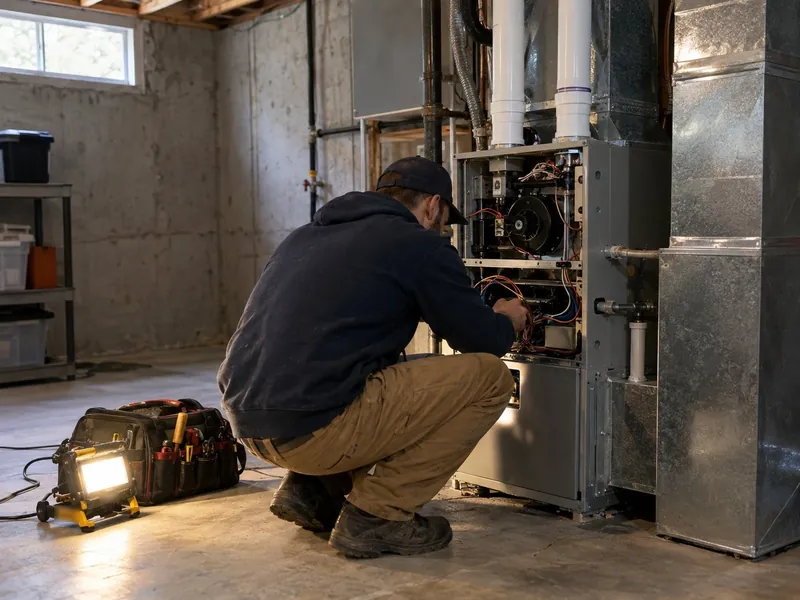
NRCan notes that heat pumps move more air at a lower temperature than a furnace. Before pricing, the installer looks at:
- Furnace age. One near the end of its life may be replaced in the same job; see furnace replacement.
- The blower. It has to push the heat pump’s airflow through the new coil.
- The ducts. Runs sized for furnace heat may need changes; NRCan flags airflow noise and fan energy use when the heat pump’s airflow exceeds the duct capacity.
- The panel. NRCan says an add-on air source heat pump generally needs no electrical service upgrade, though the age of the service and the home’s total load can make one necessary, and switching from gas can call for a larger panel.
Controls and the switchover setting
A control that knows both systems, usually with an outdoor sensor, decides which one runs. NRCan says the sensor is typically set at the economic balance point, chosen by the installer. Ask for that setting in writing so a later service visit can check it. Whether your thermostat can run both systems is a question for the installer; see thermostat installation.
What the quote should list
- Heat pump model, capacity in tons and its listing on NRCan’s cold-climate list.
- The indoor coil and how it matches your furnace.
- The control and the switchover temperature.
- The new circuit, and who files with ESA.
- Duct changes and removal of the old air conditioner, if any.
- The furnace, only if replaced, with its efficiency rating.
- The total with HST and the rebate the contractor expects to claim.
NRCan says sizing should follow a recognised method based on the home’s heating and cooling loads. An undersized heat pump hands over to the furnace more often. Ontario’s guide for home renovation businesses says a contract worth more than $50 needs a written agreement.
Rebates and rules, checked 29.10.2026
Home Renovation Savings pays the heat pump part only, and a participating contractor must get pre-approval before the install. The federal National Heat Pump Rebate, announced 8 October 2026, offers up to $10,000 for eligible below-median-income households and $2,000 for others; confirm it is open and covers a dual-fuel setup before counting on it. Details on the rebates page.
ESA requires a notification of work for almost all electrical work and issues a Certificate of Acceptance once the work is checked. TSSA says fuel-fired appliances must be maintained by registered contractors. The City of Ottawa exempts heat pumps from a building permit outside heritage properties.
Who you are dealing with
Ottawa Heating Desk passes your request to one independent Ottawa heating and cooling company. That company calls you, looks at the furnace and the house, prices the hybrid setup and does the install.
Questions to ask the company
- At what outdoor temperature will the furnace take over, and why that number for my house?
- Will you keep my furnace, and can its blower handle the heat pump's airflow?
- Which control runs the switchover, and is it in the price?
- Who files the ESA notification for the new circuit?
- Are you a participating Home Renovation Savings contractor, and is the unit on NRCan's cold-climate list?
Have this ready for the call
- Furnace brand, model and age from the label inside the furnace door
- Whether there is central air now, and its age
- Photos of the thermostat and of the open electrical panel
- Where the outdoor unit could sit, clear of the roof drip line
- A recent Enbridge Gas bill
Questions people ask
Do the heat pump and the furnace ever run together?
With a gas or oil furnace as backup, NRCan says either the heat pump operates or the furnace does. Electric backup, such as duct heaters or baseboards, can run alongside the heat pump.
What switchover temperature suits Ottawa?
It depends on the heat pump model, the house and energy prices. In an NRCan test near Ottawa the controls moved to the heat pump above about -8°C at off-peak times. Ask the installer to name the setting and the reason.
Can a heat pump go on the furnace I already have?
NRCan calls the hybrid a good option when a heat pump is added to an existing system, for example in place of a central air conditioner. The installer checks the furnace’s age and blower first.
Does the rebate cover the furnace?
Home Renovation Savings pays for the heat pump: $500 per ton, up to $2,000, for a cold-climate air source unit in a gas-heated Enbridge home. A furnace bought alongside is outside it.
Can I still turn the heat down at night?
NRCan says heat pumps respond more slowly than furnaces and advises setbacks of no more than 2°C, or a smart thermostat that switches on early ahead of recovery.