In short
- HomeStars puts a single-zone ductless system at $3,000–$7,000 installed, and two to four heads at $8,000–$20,000.
- NRCan calls one indoor unit on one outdoor unit a mini-split, and several indoor units on one outdoor unit a multi-split.
- The City of Ottawa exempts heat pump installation from a building permit, except for designated heritage properties.
- Home Renovation Savings pays $1,250 per ton, up to $7,500, for a cold-climate unit in a home heated by electricity, oil, propane or wood, after pre-approval.
Typical prices in Ottawa
| Job | Typical range | Notes |
|---|---|---|
| Single-zone ductless system, installed | $3,000–$7,000 | Canada-wide guide; outdoor unit, one head, refrigerant lines, labour |
| Multi-zone system, 2 to 4 heads | $8,000–$20,000 | Canada-wide guide |
| Single-zone unit, Ottawa | from about $4,500 | One national retailer’s Ottawa install page |
| Complex multi-room job, Ottawa | up to about $15,500 | Same retailer’s Ottawa page |
| Electrical panel upgrade | $200–$2,000 | HomeStars Ottawa guide, when the panel lacks capacity |
Sources. HomeStars, How Much Does an HVAC System Cost in Canada in 2026?, Canada-wide, published 06.08.2026, seen 29.10.2026. HomeStars, Heating and Cooling Costs in Ottawa, updated 21.08.2026, seen 29.10.2026. One national retailer’s Ottawa page: Heat pump installation in Ottawa, seen 29.10.2026. Equipment: Natural Resources Canada, Heating and cooling with a heat pump, seen 29.10.2026. Rules: City of Ottawa, Projects not requiring building permits, seen 29.10.2026; ESA, homeowner inspection brochure, seen 29.10.2026; Ontario, O. Reg. 463/10, seen 29.10.2026; Ontario, guide for home renovation businesses, seen 29.10.2026. Rebates: Home Renovation Savings, Heat pumps, seen 29.10.2026; Prime Minister of Canada, release of 8.10.2026, seen 29.10.2026.
Where a mini-split fits
- Hot-water radiator homes. Houses heated by a boiler have radiators and no ducts. A ductless head adds cooling without building duct runs, and the boiler can stay as the main heat.
- Electric baseboard homes. The heat pump takes most of the heating; the baseboards stay as backup.
- Additions, sunrooms, rooms over the garage, finished basements. HomeStars lists these, along with houses where extending ductwork is impractical, as places a ductless system suits.
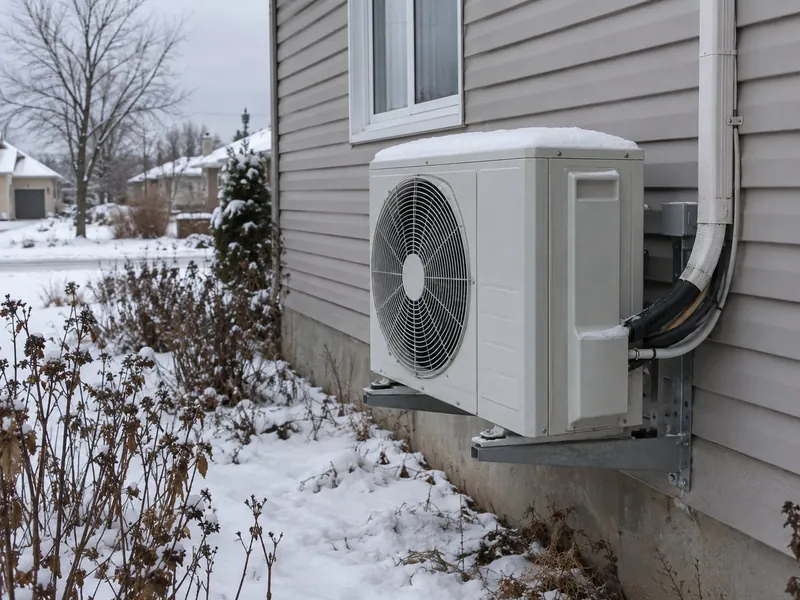
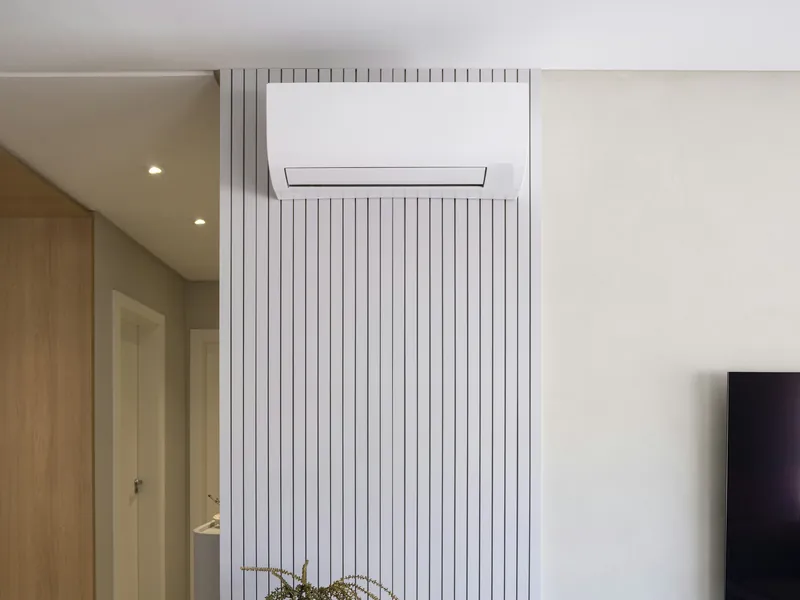
NRCan explains the setup: the indoor coil sits in a unit on the wall or floor and heats or cools that room directly. Refrigerant lines join it to the outdoor unit.
One head or several
A mini-split is one indoor unit on one outdoor unit; a multi-split runs several heads from one outdoor unit. HomeStars puts a single zone at $3,000–$7,000 installed and two to four heads at $8,000–$20,000. One national retailer’s Ottawa page starts at about $4,500 for one zone and reaches about $15,500 for complex multi-room jobs.
A head heats the room it sits in. Closed bedrooms off a hallway each need one, or stay on baseboards; an open main floor may need only one. Put a floor sketch with room sizes in the request. NRCan advises sizing by a recognised method such as CSA F280-12, and warns that an oversized heat pump cycles on and off in mild weather and wears faster.
What moves the price
- Number of heads. The retailer lists it first among its price factors.
- Efficiency. HomeStars ties the multi-zone range to zone count and efficiency.
- Line route. The single-zone range includes the refrigerant lines. Ask how long your run is and what a hidden route adds.
- Electrical capacity. HomeStars’ Ottawa guide says newer HVAC equipment sometimes needs more capacity; a panel upgrade runs $200–$2,000.
- Disposal. The retailer suggests asking whether disposal fees apply.
Every heat pump type is priced on the heat pump cost page.
Cold days and the backup
Newer air source units stop heating between -15°C and -25°C, NRCan says. Below that, a supplementary system carries the house: the baseboards in an electric home, the boiler in a radiator home. The cold-climate guide covers how the two share Ottawa’s coldest weeks.
To compare models, NRCan suggests a high HSPF (quoted for Climate Zone V, close to Ottawa’s), the steady-state rating at -8.3°C, and demand-defrost control, which NRCan says minimizes defrost cycles.
Controls, noise and the outdoor spot
A ductless unit usually runs on a single-stage thermostat or a built-in one set by remote, NRCan notes. NRCan notes that heat pumps respond more slowly than furnaces and advises setbacks of no more than 2°C.
Outside, ask where the installer plans to set the outdoor unit and how it sits relative to snow, roof edges and neighbours’ windows. In a townhouse or condo, check the board’s rules on exterior equipment before you sign.
Permits, wiring and refrigerant
- Building permit. The City of Ottawa exempts heat pump installation, except designated heritage buildings and properties in a Heritage District Overlay. The work must still meet the Ontario Building Code and the Zoning By-law.
- Electrical. ESA tells homeowners to hire a Licensed Electrical Contractor and says almost all electrical work needs a notification; a building permit does not cover it.
- Refrigerant. Under O. Reg. 463/10, only a certified person may service or test a heat pump’s refrigerant side.
Rebates and the written quote
Home Renovation Savings pays for cold-climate models on NRCan’s list: $1,250 per ton, up to $7,500, in a home heated by electricity, oil, propane or wood; $500 per ton, up to $2,000, for an Enbridge Gas customer heating with gas. You must own the home, and work done before pre-approval gets nothing. A National Heat Pump Rebate was announced on 8 October 2026; check its launch first. See the rebates guide.
The quote should name each unit by model, the room each head serves, the line route, electrical work and warranty terms. In Ontario, home repair work over $50 needs a written agreement, and the bill can exceed its estimate by 10% at most without a signed change.
Who handles your request
Ottawa Heating Desk passes your mini-split request to one independent local heating and cooling company. That company calls you back, looks at the rooms and the outside wall, prices the heads and does the install.
Questions to ask the company
- Which rooms will each head serve, and what heat loss figure did you size each one from?
- Is this model on NRCan's cold-climate list, and at what outdoor temperature does it stop heating?
- Where will the refrigerant lines run outside, and is the line cover on the quote?
- Does my panel have room for the new circuit, and who files the ESA notification?
- What sound level does the maker list for the outdoor unit, and how far will it sit from bedroom windows?
Have this ready for the call
- The rooms to heat or cool: use, rough size, floor, and the wall you would like each head on
- How the house is heated today: baseboards, a hot-water boiler, a furnace, oil or propane
- A photo of the electrical panel with its label visible
- Photos of outside walls where an outdoor unit could sit, with the roof edge above
- Type of home, and whether a condo board signs off on exterior work
Questions people ask
Can a mini-split heat the whole house in January?
NRCan says most air source heat pumps stop heating below a minimum outdoor temperature, -15°C to -25°C on newer models, so a supplementary source covers the coldest days. Closed rooms each need a head or keep their own heat.
Do my electric baseboards stay?
Usually. NRCan names baseboards as a common backup and advises setting them 2°C to 3°C below the heat pump’s set-point, so the heat pump does most of the work.
How loud is the outdoor unit?
NRCan says most heat pumps have a sound rating of 76 dB or lower; the lower the figure, the quieter the unit. Compare models on the maker’s number.
Does a ductless unit qualify for Home Renovation Savings?
The program pays for cold-climate air source models that are active listings on NRCan’s qualified products list. Ask whether the quoted model is on it. The participating contractor files the pre-approval before any work.
How long does the install take?
HomeStars puts a single-zone install at 4 to 6 hours and a multi-zone system at 6 to 12 hours.